
Organizations who are effective at tapping the entire spectrum of innovation are able to tap into their own ‘native genius’—whether that be great engineering and products, like Toyota’s Prius, or distribution and processes, like FedEx—while partnering with other firms, tapping into major cultural trends or getting into deeper relationships with their customers. Gone is the age when a company can be effective simply by being the best at one thing—digitization of the world means that no one approach to innovation is good enough to be competitive for long, and long-stable industries are being disrupted by companies like Google or Apple who have begun to master the art of integrating their digital skillsets with established players’ unique value to create nearly impossible-to-beat offerings.
Most traditional concepts of innovation are remarkably narrow in view. At first glance, smartphones seemed to be about the hardware. But the genius is that Apple and Google accessed nearly every element available to them—from strategic partnerships with music companies, new distribution channels for their products, new business models for tech devices to highly-integrated customer service systems. By accessing the entire spectrum of resources available to them, they changed not just their product, but effectively jumpstarted a new industry—and left their competitors to play catchup.
It’s not just tech companies who are tapping into this full spectrum of value to create next-generation digital businesses, though. Airlines, manufacturing, basic consumer products, apparel companies and even governments are letting go of long-held assumptions about what they can and cannot do to ensure they survive rising costs and increasingly-high customer expectations of quality and engagement.












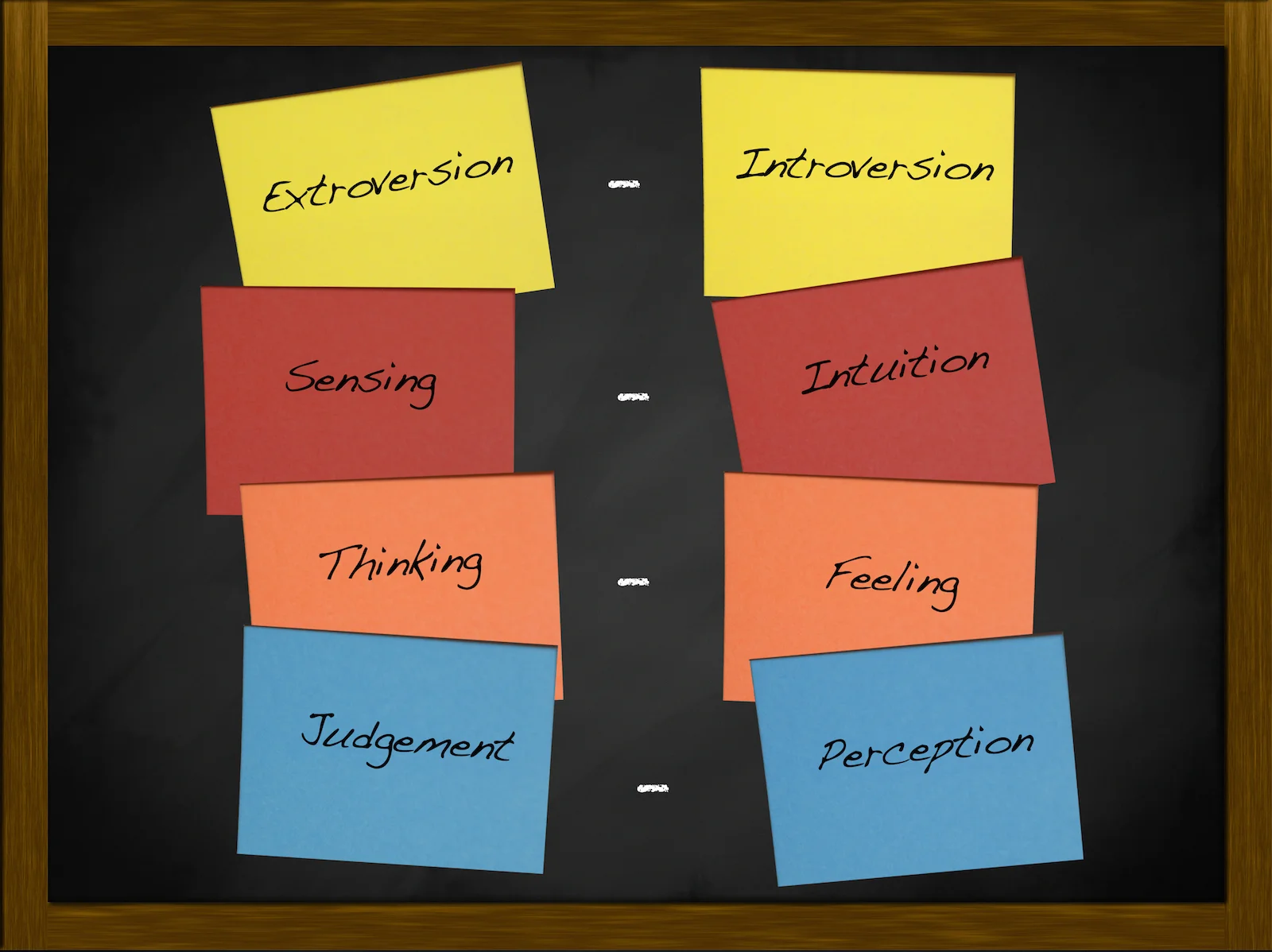


Emotional intelligence is a real, and really important, factor at play in any business which employs and serves human beings. Leaders are learning how to leverage the impact that emotional intelligence—sometimes called “soft skills”—has in business, from individual careers to organizational culture. Articles on the subject are no longer relegated to fringe publications or social sciences, in fact mainstream business journals like Forbes, Harvard Business Review, and FastCompany have been talking about it for several years. The thriving conscious capitalism movement, the emergence of B Corps , and sold-out conferences like Wisdom 2.0 are all further evidence that more and more professionals and companies are taking the human element of business very seriously. This means that not only is the industrial age model of treating people like machines an outdated one, but companies who aren’t engaged with their employees and customers on a human level are at a competitive disadvantage in an increasingly networked world.