
Business model and platform innovation is one of the key moves in the disruptive startup playbook—and a huge challenge to entrenched ways of doing business. Where traditional business strategy focused on creating a solid product, new business strategy is increasingly focusing on creation of platforms—especially an exponentially-valuable form of platform called a multi-sided platform.
In short, the multi-sided platform is perhaps best modeled by the expansion of Apple’s shiny, well-designed iPhone (and iPad) to the entire platform which supports them (iTunes, iCloud, the iTunes Music Store) and then, the broader App Store, CarPlay, Apple Pay and developer/accessory ecosystems which make the iPhone and iPad what they are today.
- Find out more about Software as a Services (SaaS) and Platform as a Service (PaaS) for another example of business model & platform-based innovations.

Mark Bonchek describes how true leadership comes from empowering individuals with the tools, guidance, and confidence they need to succeed.

Mark Bonchek describes how organizations can use decision principles to empower employees to take action that is both timely and aligned with the organization's principles.

Software used to be sold as any other product: a box on a shelf (or a download equivalent) and either basic post-purchase support or paid support contracts. Users would have to wait for a new release to get new features.

As the world shifts towards more-networked organizations, the creation of feedback loops is more important than ever. An organization's capacity for empathy determines whether or not its products and services will actually serve the people it is trying to earn money from, and its awareness of what motivates its competitors, regulators and even its own staff will determine its ability to form important strategic alliances, form public-private partnerships and retain its workforce.

Often, the focus on the ideal of the cross-functional, interdisciplinary, extroverted worker results in questions being asked which the average employee is insufficiently skilled to answer. In her book Quiet, Susan Cain cites the example of one of her research technical interviewees' recollection of a 'murder board,' a panel of decision-makers whom engineers had to face in order to get their new ideas considered for funding and other resources. One can imagine a hard-faced panel of besuited men tearing down the brilliant if meek engineer with the smug expressions of a young MBA grad: "What's your marketing plan!," they might shout, "

Autonomy, especially in and around U.S. businesses, is a tricky concept. Autonomy is valued very highly in our culture, but the challenge of finding a way to hand off acceptable amounts of control takes a lot more work than most leaders or employees realize. Few companies have the patience or budget for mistakes which occur when a more-autonomous goes wrong, so they choose not to grant autonomy in the first place, or revoke it at the first sign of trouble. Understandably, the constant conflict of employees who need autonomy and leaders who need accountability plagues most organizations.
For an example of a fluid progression from values to high-level beginnings of doctrine, consider this published set of business principles from Moore's Cloud, a "smart light" startup based in Australia. Their founder, Mark Pesce, explained that the intent of these principles was both internal and external, being used both to inform internal daily decision-making and to filter (attract or repel) investors by explicitly stating the company's commitment to open ecosystems and transparent business practice. By 'downloading' individuals decision-making guides from key leaders in the organization and then 'uploading' them to the business's guiding source code, Moore's Cloud has reduced huge amounts of unnecessary
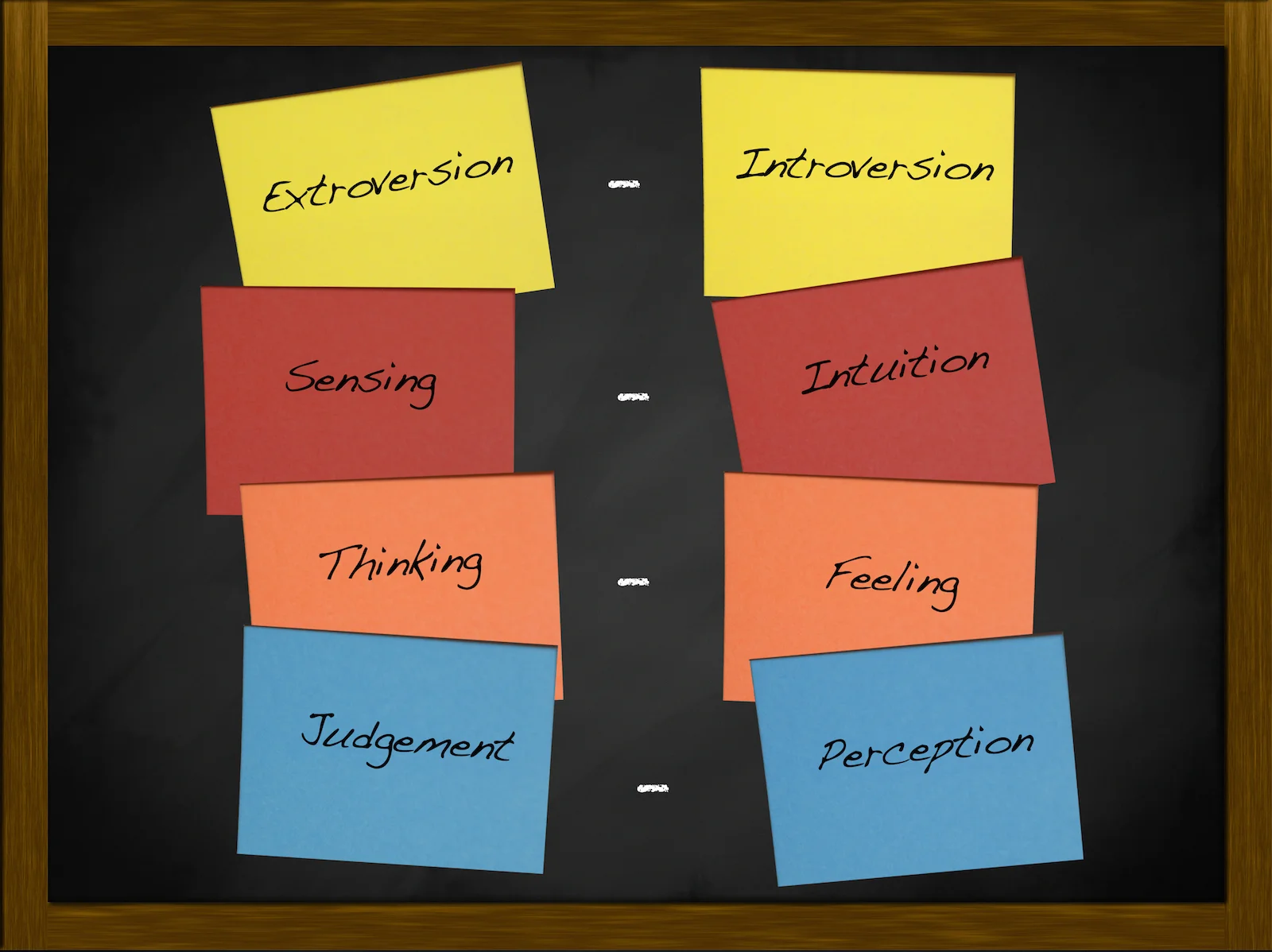
Most leadership guides, hiring manuals and educational practices are grounded in the idea of supporting collaboration and motivating employees by having extroverts lead. The history of how this came to be is detailed in the revealing title by Susan Cain, Quiet: The Power of Introverts in a World That Can't Stop Talking.
With Apple's recent announcement of their direct sales of not just smartphones, but phone & plan bundles, mainstream customers are about to experience a big, visible change in mobile business models. While lots of articles do a great job comparing Apple's new iPhone Upgrade Plan to similar carrier-specific offerings, there's another issue at hand behind the scenes as Apple closes the loop of the iPhone experience.